
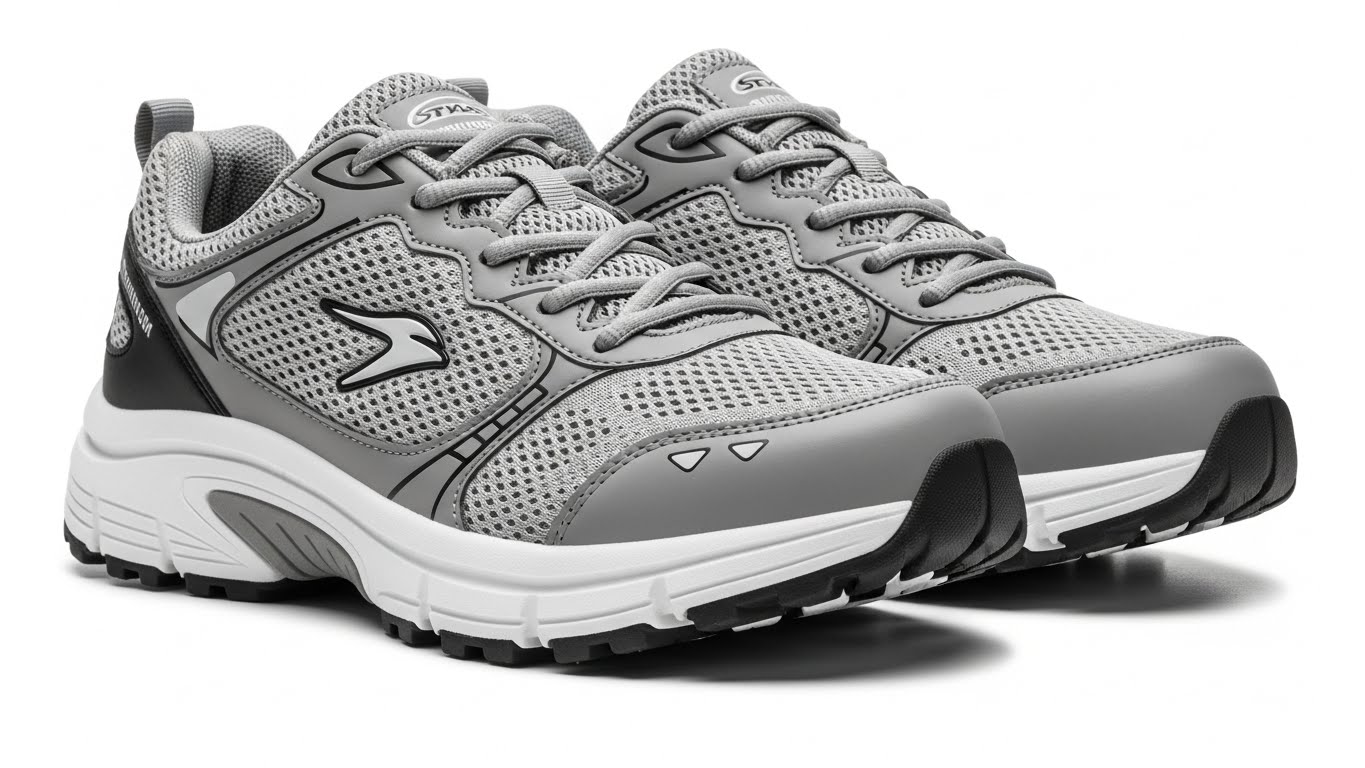

If you have wide feet, buying walking shoes isn’t just inconvenient—it’s often painful. Many shoes look fine at first, but after 20–30 minutes of walking, pressure builds along the sides, toes feel cramped, and discomfort quickly turns into frustration.
For anyone with wide or extra-wide feet (2E/4E), the right fit isn’t optional. It’s the difference between enjoyable walking and constant foot pain.
This guide breaks down how wide-width walking shoes should truly fit, common mistakes to avoid, and how to tell if a shoe will pinch before you commit to it.
Why Wide Feet Need a Different Approach
Standard walking shoes are designed around a “D-width” foot. For wide feet, this causes subtle problems that get worse over time:
- toes are forced inward
- forefoot pressure increases with each step
- circulation is restricted during long walks
- friction leads to blisters and irritation
Sizing up rarely helps. A longer shoe still stays narrow in the wrong places, creating instability and discomfort.
What 2E and 4E Really Mean for Walking Comfort
Shoe width is just as important as length.
- 2E (Wide): Extra room across the forefoot and toe box
- 4E (Extra Wide): Significantly more space across the entire front of the foot
If your shoes feel long enough but tight on the sides—or if your toes feel compressed—you likely need a wider width, not a bigger size.
How Wide Width Walking Shoes Should Actually Feel
A properly fitted wide walking shoe should:
- allow toes to spread naturally
- feel secure without squeezing
- stay comfortable even after 60+ minutes
- feel stable without stiffness
If any part of your foot feels “contained” or restricted, the width is probably wrong.
Fit Tips That Prevent Pinching (Before You Buy)
1. Toe Box Shape Matters More Than Size
Look for a rounded or anatomical toe box. Narrow, tapered fronts almost always pinch wide feet—even in wide sizes.
2. Pay Attention to Forefoot Pressure
If you feel pressure on the sides of your feet while standing still, walking will make it worse.
3. Flexible Uppers Are Critical
Mesh or knit uppers adapt to foot width far better than rigid synthetics or leather.
4. Midfoot Width Is Often Overlooked
Some shoes are wide only at the toes but tight through the midfoot. This creates arch pressure and instability.
5. Heel Lock Should Feel Secure, Not Tight
A wide shoe should hold your heel in place without squeezing the back of your foot.
Common Mistakes Wide-Foot Walkers Make
Buying Longer Instead of Wider
This leads to toe drag, instability, and uneven wear patterns.
Assuming Shoes Will “Break In”
Pinching rarely disappears. Soft materials may loosen slightly, but width issues remain.
Ignoring Sock Thickness
Thicker walking socks take up space—always test fit with the socks you’ll actually wear.
How to Tell If a Shoe Will Pinch (Without Walking Miles)
Use this quick test:
- Stand up fully
- Shift weight forward
- Spread your toes
If the sides press inward or your toes feel crowded, the shoe will pinch during real use.
Walking Style Also Affects Fit
- Casual walkers: Prioritize softness and flexibility
- Long-distance walkers: Need consistent width and midfoot support
- All-day standing: Look for wide platforms with stable cushioning
Wide feet paired with long walking sessions require both space and structure.
Final Thoughts: Width Is Comfort
For wide-foot walkers, comfort doesn’t come from padding alone—it comes from room to move naturally. A well-fitted wide-width walking shoe should disappear on your foot, not demand constant adjustment or attention.
If you feel pressure, rubbing, or tightness early on, that’s your sign to walk away. The right width makes walking smoother, more stable, and pain-free—exactly how it should feel.