
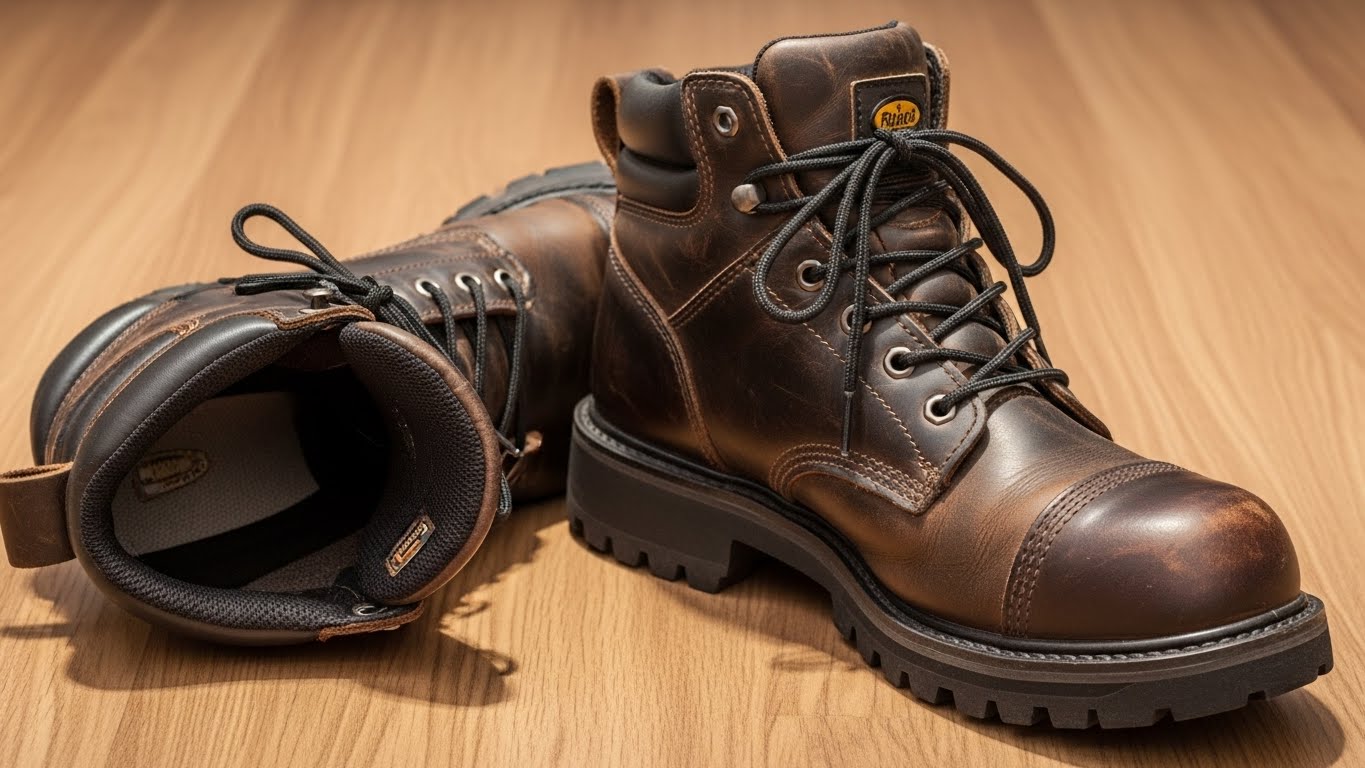

If you stand on concrete or hard floors for 10+ hours, your boots can make or break your week. The right pair reduces heel pain, arch fatigue, and knee/back strain—while the wrong pair feels fine for an hour, then turns brutal by hour three.
Below is a practical breakdown of what actually matters (midsole, fit, insoles), followed by five work-boot picks that consistently deliver the comfort/support most workers need.
What Matters Most for 10+ Hour Shifts
1) Midsole is everything (it’s your shock absorber)
For long shifts, you want a midsole that spreads impact and avoids “bottoming out.”
Look for:
- Anti-fatigue / cushioned / EVA/foam midsole
- A stable platform (not too soft and squishy)
- Enough thickness under the heel and forefoot to protect you from hard ground
Red flag: boots that feel “flat” under the heel or harsh under the ball of the foot.
2) Fit: secure heel + roomy toes (comfort is mostly sizing)
Long shifts make feet swell. If the toe box is tight at the start, it’ll be painful later.
Aim for:
- Heel lock (minimal slipping)
- Toe room (toes can spread naturally)
- If you wear thick socks or add insoles, consider ½ size up
Red flag: numb toes, pinching at the pinky toe, or heel rubbing after 30 minutes.
3) Insoles: the cheapest “upgrade” that changes everything
Even good boots can feel average with weak factory insoles. A supportive insole can:
- Reduce heel pain (deep heel cup)
- Reduce arch strain (arch support)
- Increase comfort on concrete (extra cushioning)
Pro tip: If your boot fits well but hurts later, swap insoles before you replace the boots.
Quick Picks (Who Should Buy What)
- Need a dependable all-around safety boot: NORTIV 8 Waterproof Steel Toe
- Need safety toe + puncture protection on a budget: 6″ Lightweight Steel Toe (Puncture Resistant)
- Don’t need a safety toe and want max comfort: Waterproof Soft Toe Leather Workboot
- Need wide sizing + wet-floor use: Waterproof Wide Width Steel Toe Boot
- Want a lighter “sneaker-like” comfort approach: Anti-Fatigue Soft Toe Work Boot
1) 6″ Lightweight Steel Toe Work Boot (Puncture Resistant Safety Work Shoe)
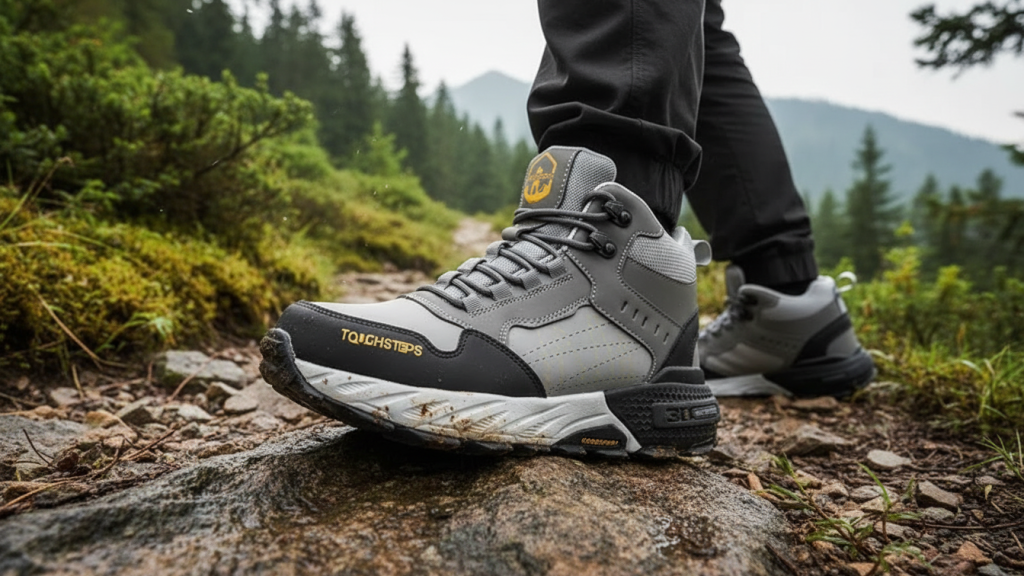
This style is built for people who want real protection but don’t want a heavy, clunky boot. The key advantage is the combo of steel toe + puncture resistance in a lighter package—great for stockrooms, light construction, and warehouse walking.
Why it works for long shifts
- Protection features without the “brick on your foot” feeling
- Works well when your day is lots of steps, not just standing
What to watch
- Comfort often depends on the factory insole—adding a supportive insole can be a big upgrade
Best for: warehouse, delivery, job sites with sharp debris risk, anyone needing safety toe + puncture resistance.
2) Waterproof Wide Width Steel Toe Boot (Slip-Resistant Safety Toe)
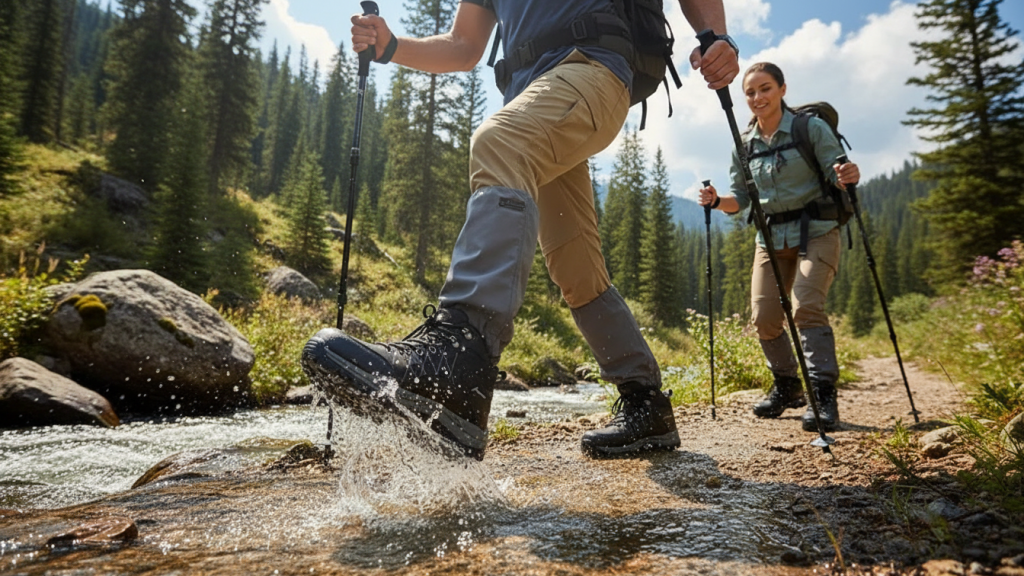
If you have wider feet, this type of boot can be a lifesaver for 10–12 hour shifts. Wide sizing isn’t just about comfort—it helps you avoid toe numbness and “hot spots” that show up late in the shift.
Why it works for long shifts
- Less pressure on the forefoot (huge for long wear)
- Waterproof build helps in messy or wet environments
What to watch
- Wide boots can sometimes feel loose in the heel—make sure the heel stays locked in place
Best for: wide feet, wet conditions, mixed indoor/outdoor work, long shifts where swelling is common.
3) Waterproof Anti-Fatigue Soft Toe Work Boot (Comfort-Focused)
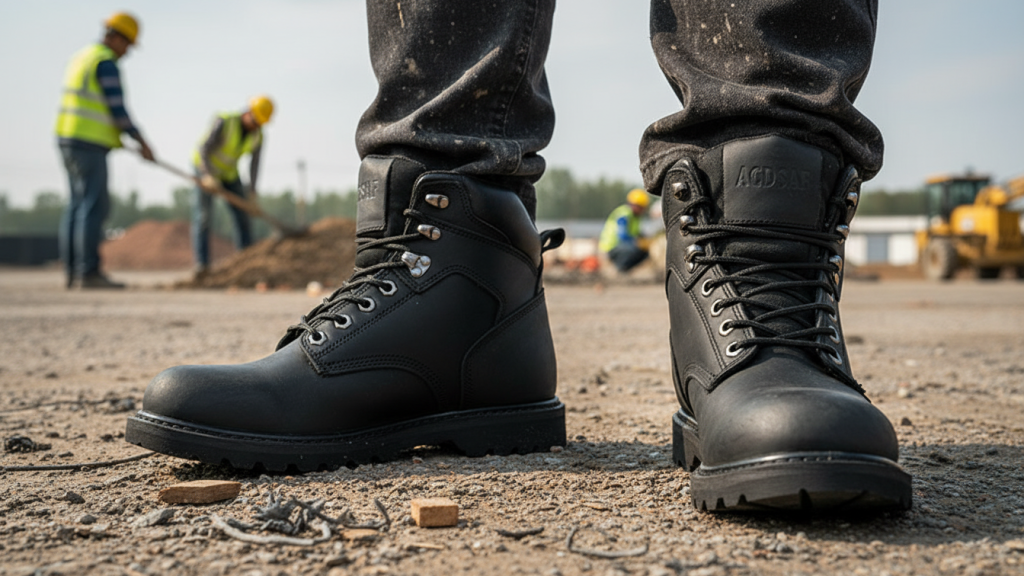
If your workplace doesn’t require safety toe, soft-toe “anti-fatigue” boots are often the most comfortable option for standing all day. They typically feel less restrictive up front and can reduce that “toe pressure” you get after hours on hard floors.
Why it works for long shifts
- Soft toe = less front-foot fatigue for many people
- Anti-fatigue cushioning helps on concrete
What to watch
- Not the right pick if your job requires safety toe protection
Best for: long indoor shifts, retail/maintenance, light-duty work where comfort is the top priority.
4) Waterproof Soft Toe Leather Workboot (Non-Slip, Comfortable Leather)
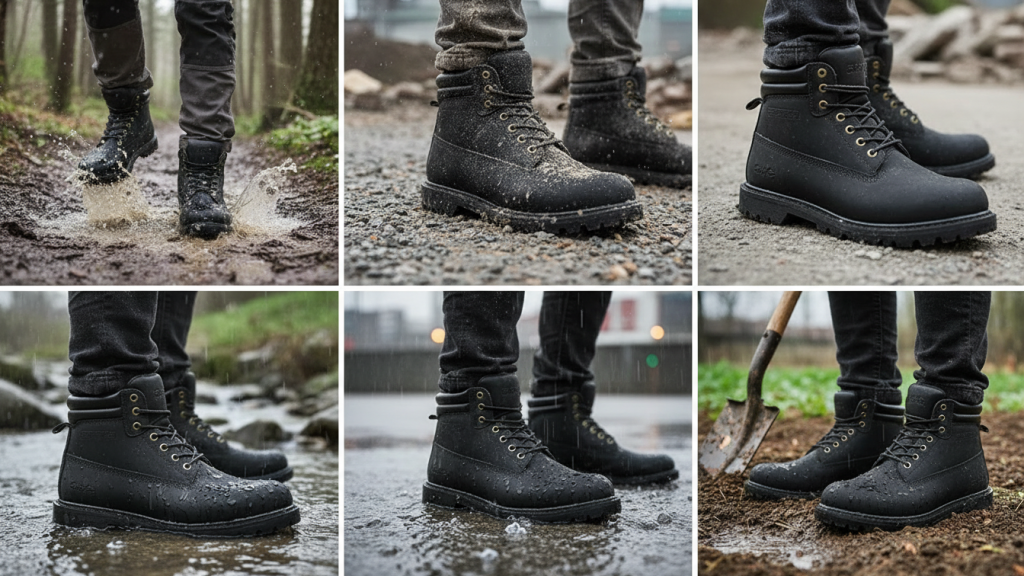
This is the classic “workhorse comfort” category: supportive, grippy, and stable. Leather models often feel more structured (in a good way) for people who need foot support for long days.
Why it works for long shifts
- Stable base helps reduce wobble and ankle fatigue
- Leather structure can feel supportive after break-in
- Great balance of comfort + durability
What to watch
- Break-in can take a few days—wear thicker socks early on and don’t do a 12-hour shift on day one if you can avoid it
Best for: general labor, indoor/outdoor workers, anyone who wants a supportive all-day boot without safety toe.
5) NORTIV 8 Waterproof Steel Toe Work Boot (ARMADILLO-STL)
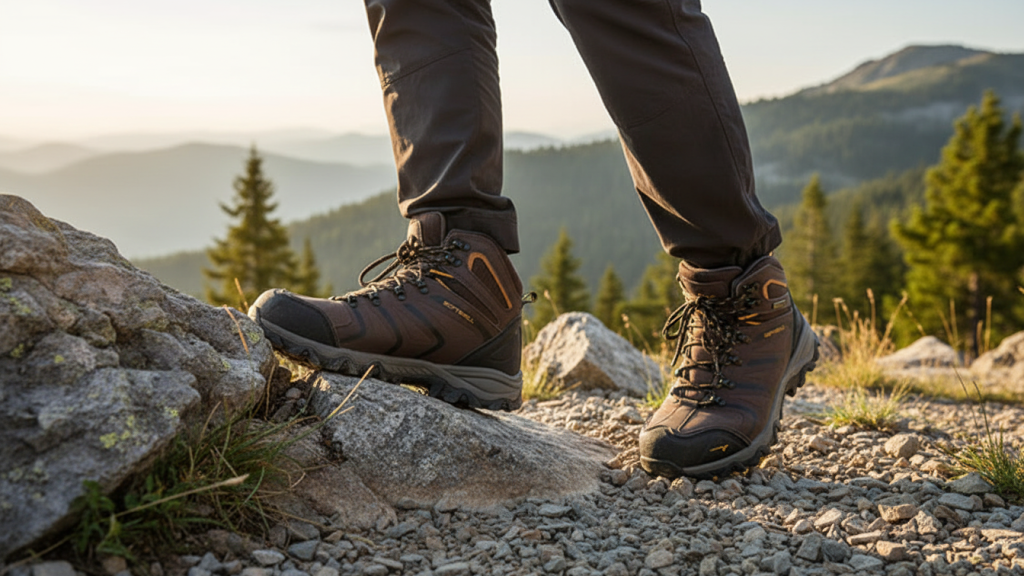
This is one of the most practical “do-it-all” choices if you need steel toe protection but still care about comfort. It tends to hit the right balance: protective build, wearable shape, and a design that works for long shifts.
Why it works for long shifts
- Steel toe protection for demanding environments
- Waterproof build for unpredictable conditions
- A good everyday boot design that doesn’t feel overly stiff
What to watch
- Steel toe adds weight—if you’re very step-heavy (15k–20k/day), consider a comfort insole and good socks
Best for: warehouse, construction, outdoor work, anyone wanting protection + comfort value.
Best Overall Choice for 10+ Hours
✅ NORTIV 8 Waterproof Steel Toe Work Boot
If you need toe protection and want a reliable all-day option, this is the most balanced pick: protection + comfort + practicality.
Best for Pure Comfort (No Safety Toe Required)
✅ Waterproof Soft Toe Leather Workboot
If your job doesn’t require safety toe, soft toe often wins for long shifts—less weight and less toe pressure.