
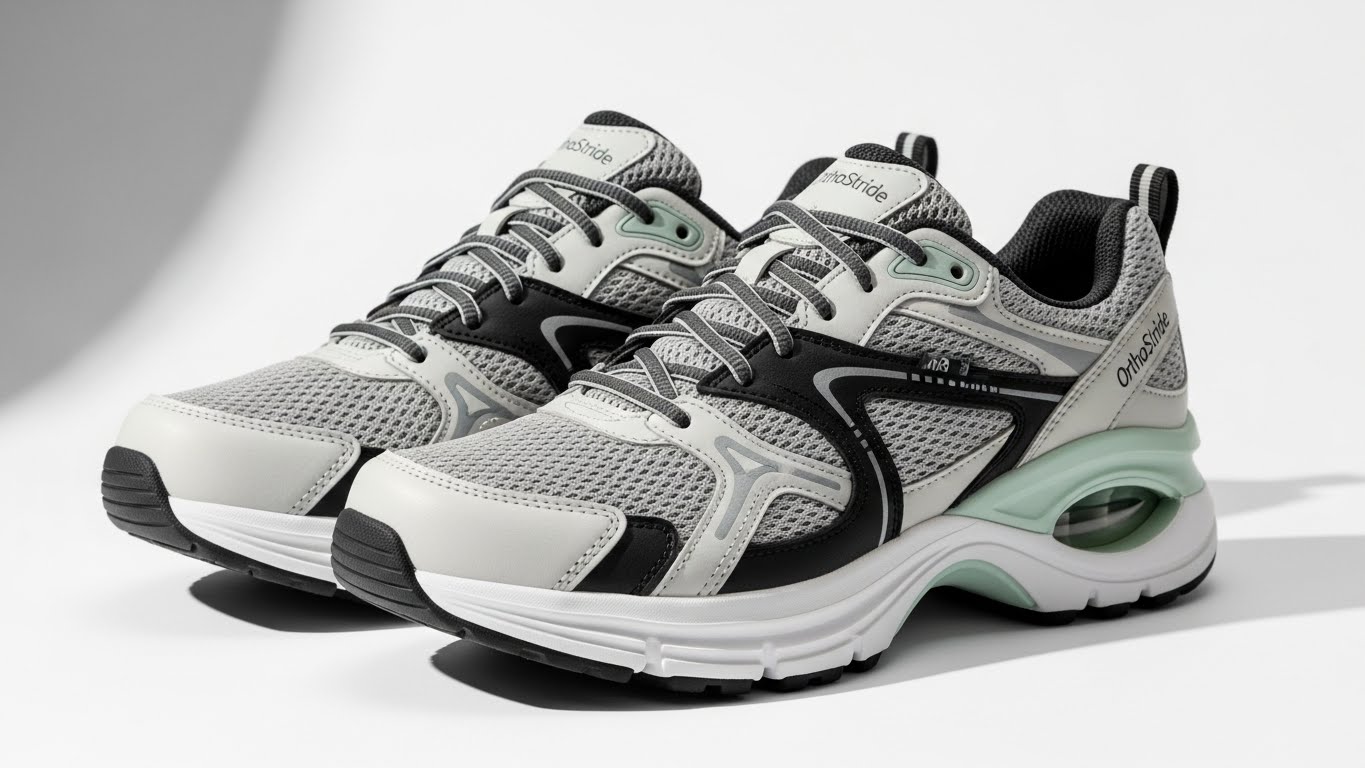

Plantar fasciitis pain can turn simple walking into a daily struggle. Many people rush to buy “specialized” shoes promising instant relief—only to find the pain still there weeks later.
The truth is, not all plantar fasciitis shoes actually help. Some features genuinely reduce strain on your heel and arch, while others are mostly marketing terms with little real-world impact.
This honest guide explains what truly helps, what to be cautious about, and how to choose shoes that support healing—not just sales claims.
What Plantar Fasciitis Pain Really Is
Plantar fasciitis occurs when the thick band of tissue along the bottom of your foot becomes overstressed or inflamed. The most common symptom is sharp heel pain, especially:
- first steps in the morning
- after long periods of standing
- after extended walking
Shoes can’t “cure” plantar fasciitis, but the right ones can significantly reduce stress and pain.
What Actually Helps (Backed by Real-World Experience)
1. Proper Arch Support (Not Just “Arch Shaping”)
A shoe must support your natural arch height—flat or high. Decorative arch contours that compress under weight offer little benefit.
What to look for:
- firm but not rigid midfoot
- resistance when pressing the arch area
- stability during walking
2. Firm Heel Support and Heel Cup
A deep, structured heel cup stabilizes the foot and reduces strain where pain often starts.
Helpful signs:
- heel doesn’t collapse inward
- secure feeling without squeezing
- minimal heel slippage
3. Moderate Cushioning (Not Ultra-Soft)
Soft cushioning feels good initially but often worsens plantar fasciitis by allowing excessive foot motion.
Better choice:
- medium-density cushioning
- responsive feel
- stable platform
4. Slight Heel-to-Toe Drop
A mild heel elevation reduces tension on the plantar fascia.
Sweet spot:
A moderate drop—not completely flat, not excessively raised.
5. Consistent Support Throughout the Day
Shoes that feel good for 10 minutes but fail after an hour aren’t helping healing.
What’s Mostly Marketing (And Often Misleading)
❌ “Extra Soft = Pain Relief”
Overly soft soles compress quickly and provide little long-term support.
❌ “Orthopedic” Without Structure
The word means nothing unless the shoe has real midfoot and heel support.
❌ Memory Foam Insoles
They conform but don’t support. Once compressed, they offer minimal benefit.
❌ Ultra-Lightweight Claims
Too-light shoes often lack the structure needed for plantar fasciitis relief.
Common Mistakes People Make
Wearing Unsupportive Shoes at Home
Walking barefoot or in soft slippers can undo progress made outside.
Ignoring Fit Issues
Shoes that are too tight, too loose, or unstable increase stress on the plantar fascia.
Expecting Instant Results
Relief comes from consistent support over time, not overnight fixes.
How Shoes Should Feel If They’re Helping
A supportive shoe for plantar fasciitis should:
- reduce morning pain over time
- feel stable, not mushy
- limit excessive foot movement
- feel comfortable even after hours
Pain may not disappear instantly—but it shouldn’t worsen.
Walking vs Standing: Why Use Matters
- Long walking: needs stable cushioning and arch support
- Prolonged standing: needs firm midsole and heel structure
- Mixed daily use: balance between comfort and control
Match your shoe choice to how you use your feet most.
Honest Final Take
The best shoes for plantar fasciitis aren’t the most advertised—they’re the ones that control foot motion, support the arch, and stabilize the heel.
If a shoe focuses only on softness, buzzwords, or comfort without structure, it’s likely doing more harm than good.
Plantar fasciitis improves with patience, consistency, and the right support—not marketing promises.